
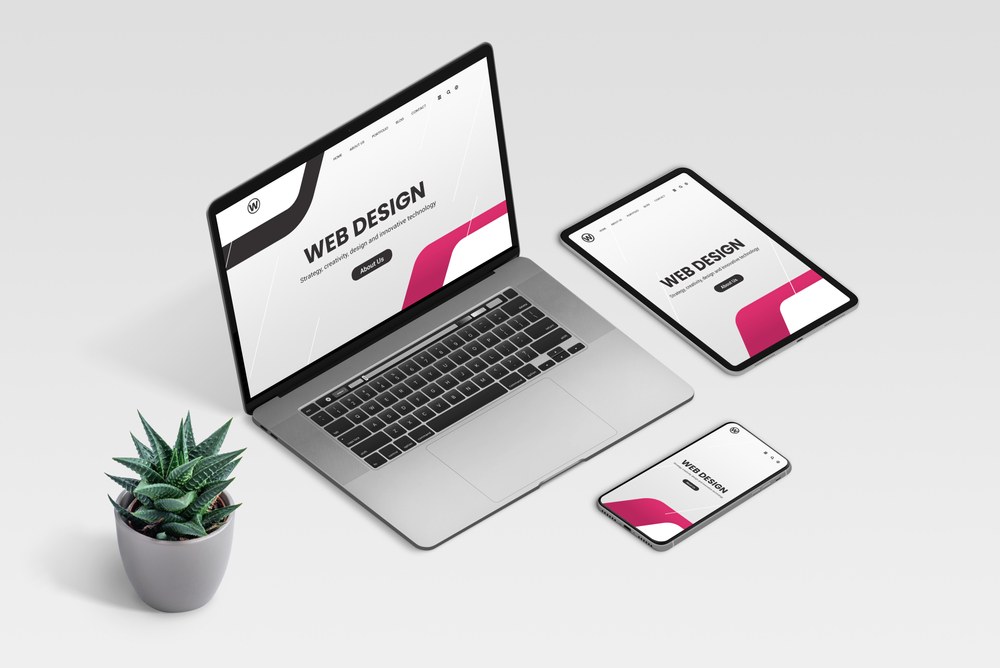
In the digital age, your site is often the first thing that your brand will present. It is not just a collection of pages; it is a digital shop window, portfolio and communication hub in one. A well designed site is what can transform a customer who clicks away into a regular customer So what is it that really goes into the making of a site that really stands out?
1. Learning the User Journey
The fundamental of any good web design is a proper understanding of the user path. You must know your audience and what they require prior to a line of code being written or a color being chosen. Do they want information, products or services? What are their issues? By mapping the user path, the designers can design a site that will take the visitors through point A to point B in a seamless fashion and provide the information or solutions that the visitors seek.2. Striking a Balance between Aesthetics and Functionality
It is important that the site be aesthetically appealing but also practical. A site that looks good but has a poor navigation or one that takes too long to open will soon make users frustrated. The most effective websites are those that strike a balance between the form and the functionality. This means intelligent designs, ease of navigation and fast loading pages. Every design element should serve a purpose whether it is to guide the user of the product, to create an atmosphere or to reinforce the brand.3. The Strength of Responsive Design
Responsive design is no longer optional, but a requirement as mobile devices are increasingly used. A responsive site is a site that adapts to the screen size, so it does not matter whether the user is on a desktop, tablet or smartphone, he/she will have a similar experience. This flexibility does not only increase user satisfaction but also increases SEO as search engines favor mobile friendly websites.4. Content is King
Design is important but content is what keeps users there It is necessary to have clear, strong content that is directly speaking to your audience. It should be readable, properly organized and consistent with the overall design. Another way to enhance the user experience and make the content more digestible is to use visuals, including images, videos, and infographics.